R&D Projects
The soldier of tomorrow will carry more technology, but should not have to carry more weight
Drones, sensors, communication systems and other electronic equipment are becoming increasingly important on the battlefield. But every new capability also creates a growing demand for power.
Through EDF HARVEST - a project under the European Defence Fund (EDF), the EU's instrument for funding joint defence research - NFM Group and its European partners are exploring how lighter batteries, energy harvesting and integrated power and data distribution could improve operational endurance while reducing the burden on the individual soldier.
What does the soldier of tomorrow need?
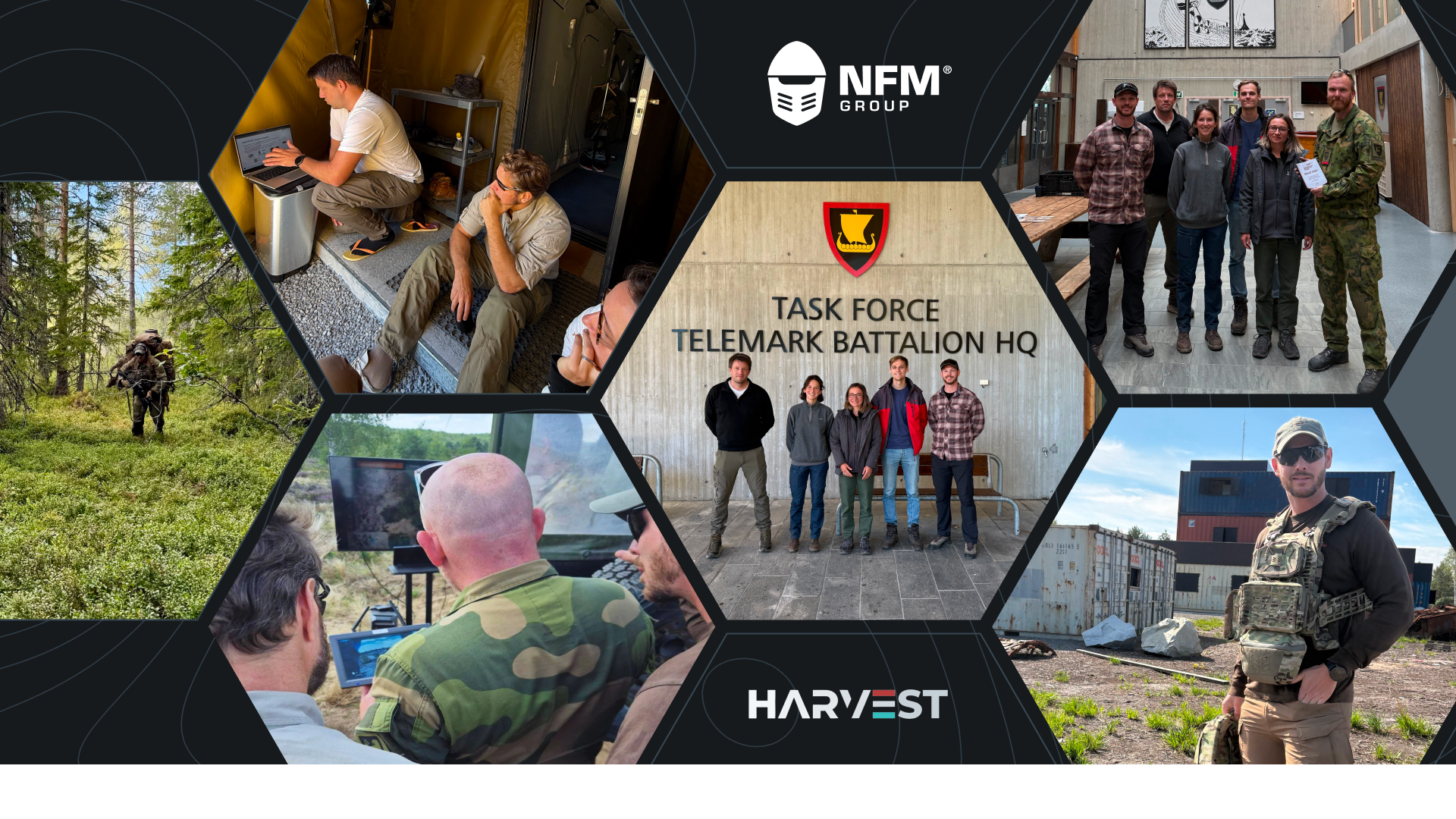
In Lipa, southern Poland, a multinational force has one purpose: training Ukrainian soldiers to stand better prepared in the war against Russia. NFM Group, together with several EDF partners, visited Camp Jomsborg to gain first-hand experience in how next-generation soldier systems should be built.
NFM takes part in several such projects, both as a contributor and as a leading partner. One of these projects is HARVEST, which focuses on reducing the weight and logistical burden of soldier power systems. By combining innovative lightweight battery technologies with energy harvesting from movement, body heat and solar energy, the project aims to deliver greater operational endurance with significantly less battery mass.
HARVEST also explores a new approach to power distribution within the soldier system, replacing conventional cables with conductive inks and yarns seamlessly integrated into garments and equipment. This reduces weight, improves ergonomics and enhances system integration while enabling greater freedom of movement.

In parallel, the project investigates integrated electromagnetic interference (EMI) shielding solutions to improve there liability of electronic equipment in contested electromagnetic environments. The goal is a lighter, more autonomous and better protected soldier on tomorrow's battlefield.
The consortium behind it
Four partners from four nations. The Danish Technological Institute (DTI) coordinates the project, working together with Fraunhofer IFAM in Germany, TU Delft in the Netherlands and NFM Technology. Together, they are developing ways to harvest, store and use energy through renewable technologies — triboelectric nanogenerators (TEG) for friction energy, photovoltaic generators (PV) for solar energy, thermoelectric generators (TENG) for thermal energy, and solid-state lithium-sulphur (Li/s) batteries — alongside printed electronics, conductive inks and yarns, and electromagnetic interference (EMI) shielding. Here, NFM Technology plays a key role in turning these advanced materials into something a soldier can wear, without giving up freedom of movement.
End-user insight is key
Developing the soldier equipment of tomorrow isn't just a matter of technical specifications. It depends on first-hand insight from the people who will use it. As a partner in EDF HARVEST, NFM Group, together with the Norwegian Defence Materiel Agency (NDMA), identified and contacted domestic military units to gain access. This secured entry to the Norwegian Telemark Battalion (TMBN) and to Camp Jomsborg in Lipa, Poland, where a multinational force is currently training Ukrainian forces.
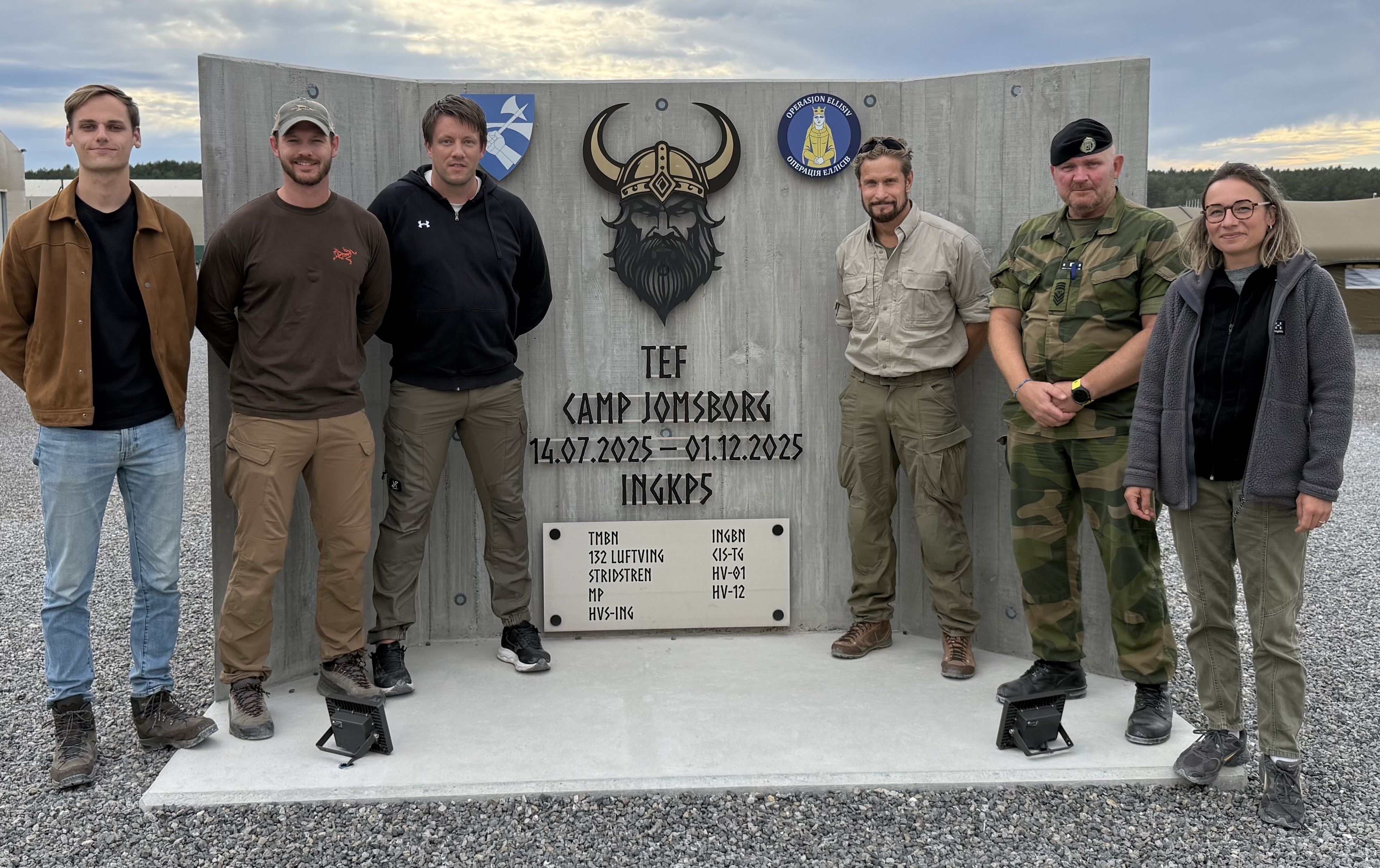
At TMBN, the team met the Cavalry Squadron, specifically the Reconnaissance unit and the Sniper Platoon, training alongside a group of Mountain Warfare Ukrainian soldiers learning advanced shooting and manoeuvre techniques built up over decades in the Norwegian Army. In Camp Jomsborg, the team met a large Ukrainian training group and their instructors, soldiers from Finland, Denmark, Australia, the UK and Norway, deployed as part of the multinational training force. There, the team observed UAS used in operational conditions similar to those seen in Eastern Ukraine today, including urban and trench warfare: conditions of direct value to a project working on energy harvesting and power and data distribution for drone operators and similar roles requiring electronic equipment.
HARVEST is much more than a research project; it is a catalyst for dialogue and cooperation. Seeing operators in the field engage directly with industrial partners and researchers is invaluable for ensuring that innovation remains aligned with operational realities, says Atle Eriksen, Master Sergeant, Soldier Systems, Land Capabilities, Norwegian Defence Materiel Agency (NDMA).
R&D is a core part of NFM
The project is still in its early stages. A preliminary design review is planned for 2027, with a demonstration in 2028. Alongside HARVEST, NFM is engaged in a number of other EDF-funded projects - ACHILE, ACHILE 2 and ARMETISS - all aimed at personal protective equipment built for tomorrow's requirements. That capability comes from competence and experience — and end-user insight is what makes it hold up in the field.

HARVEST is funded by the European Union under the European Defence Fund (EDF).
Views and opinions expressed are however those of the author(s) only and do not necessarily reflect those of the European Union or the European Commission. Neither the European Union nor the granting authority can be held responsible for them.
News & events
On other news
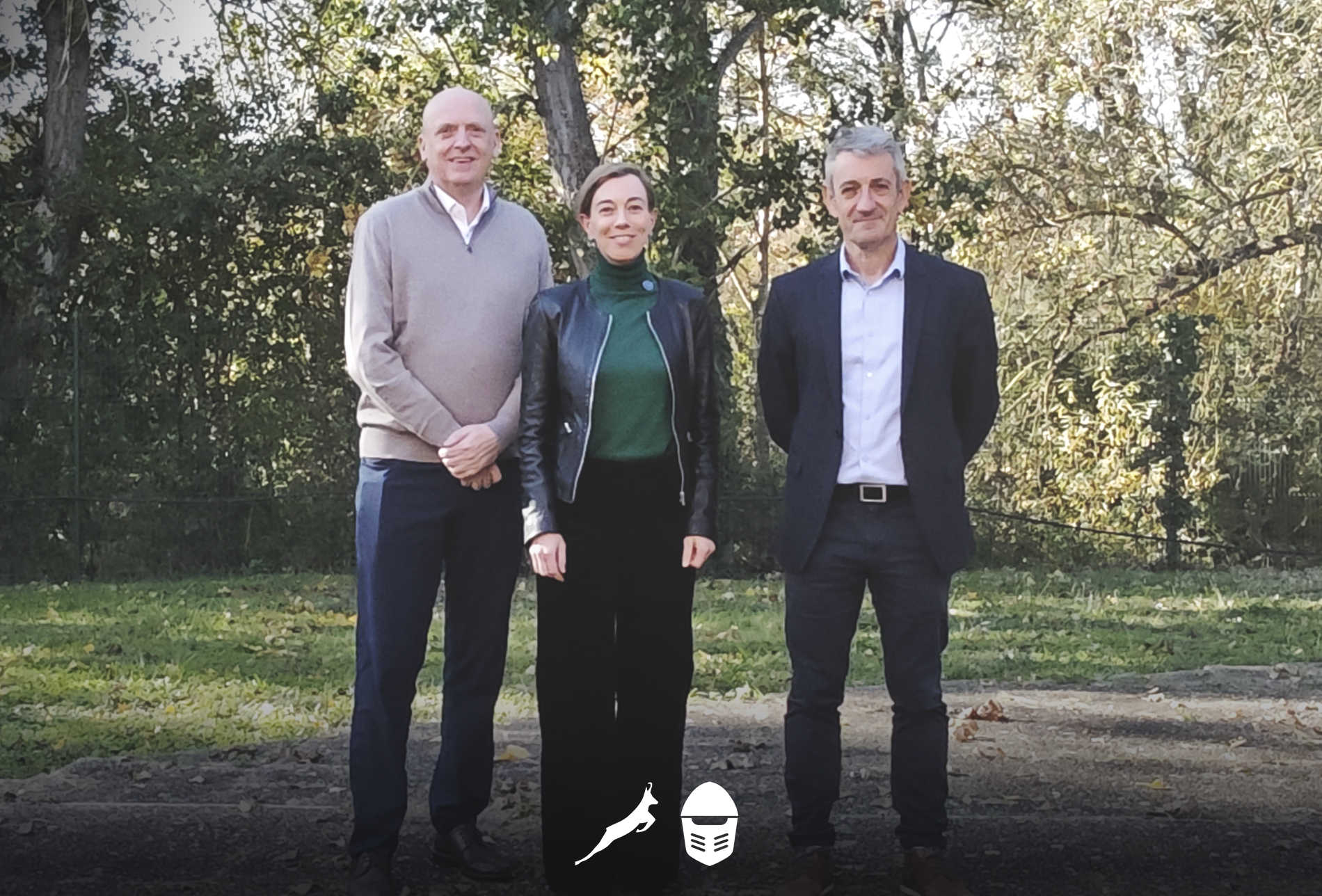
Aliette Quint appointed new CEO of Paul Boyé